


Musings from Students of the Pardes Institute of Jewish Studies in Jerusalem
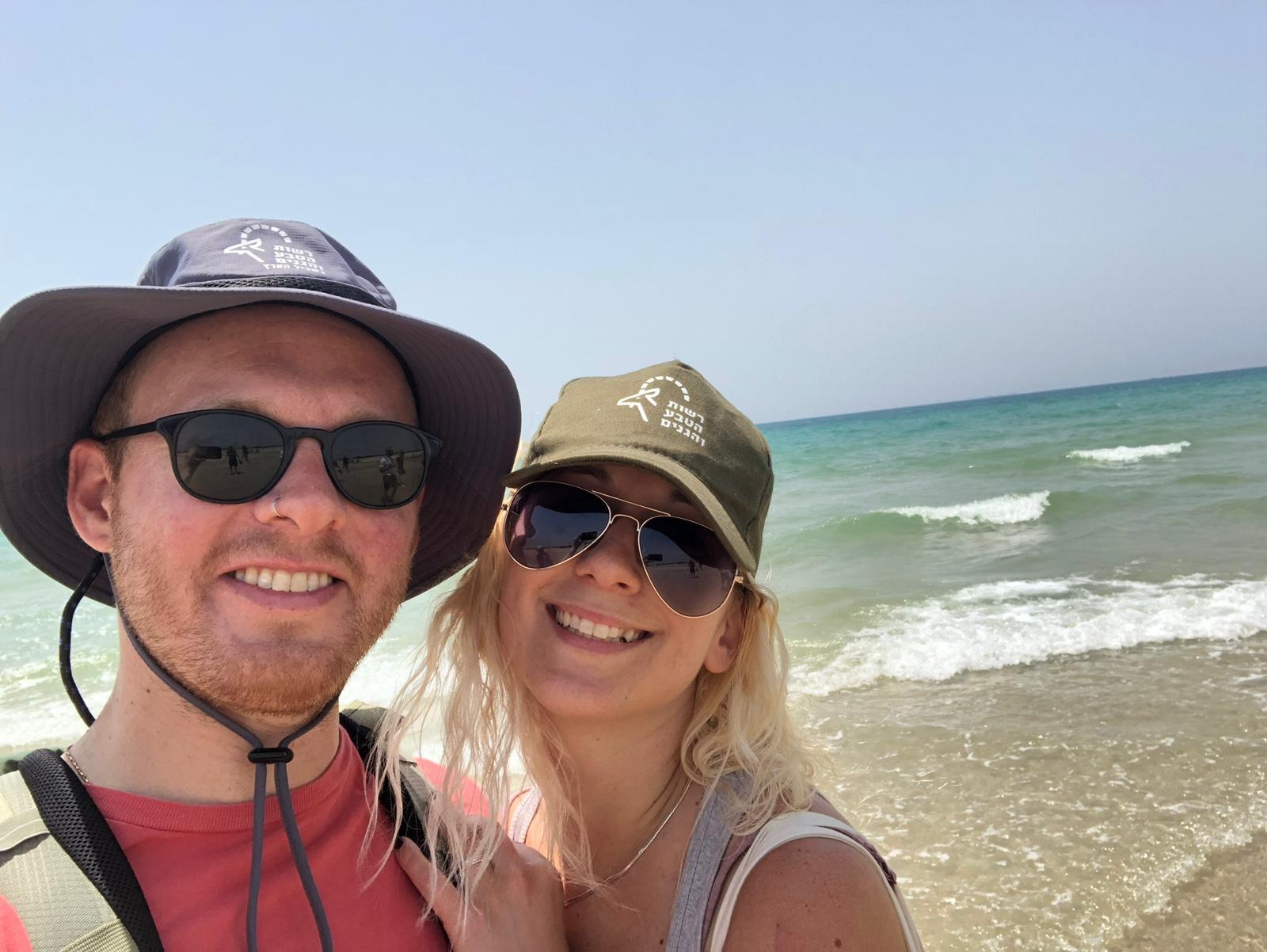
Posted on May 28, 2019 by Branden Charles Johnson
This has been the most difficult blog post to write this year. As I type these words, I can’t even believe they’re describing reality. That we just returned from the final Shabbaton of our year at Pardes feels like the awkward punchline to a joke someone told back in September. “This year is going to Continue Reading »
Posted on August 30, 2016 by Abigail Emerson
My grandmother, Beatrice Gould Emerson, died the first time I left the United States alone. My trip was in part for her sake. I was traveling for a summer in Russia, the first of our family to return to that part of the world since our great-grandparents left. I had been there a week when my dad sent Continue Reading »
Posted on August 10, 2016 by Lucas Espinosa Menendez
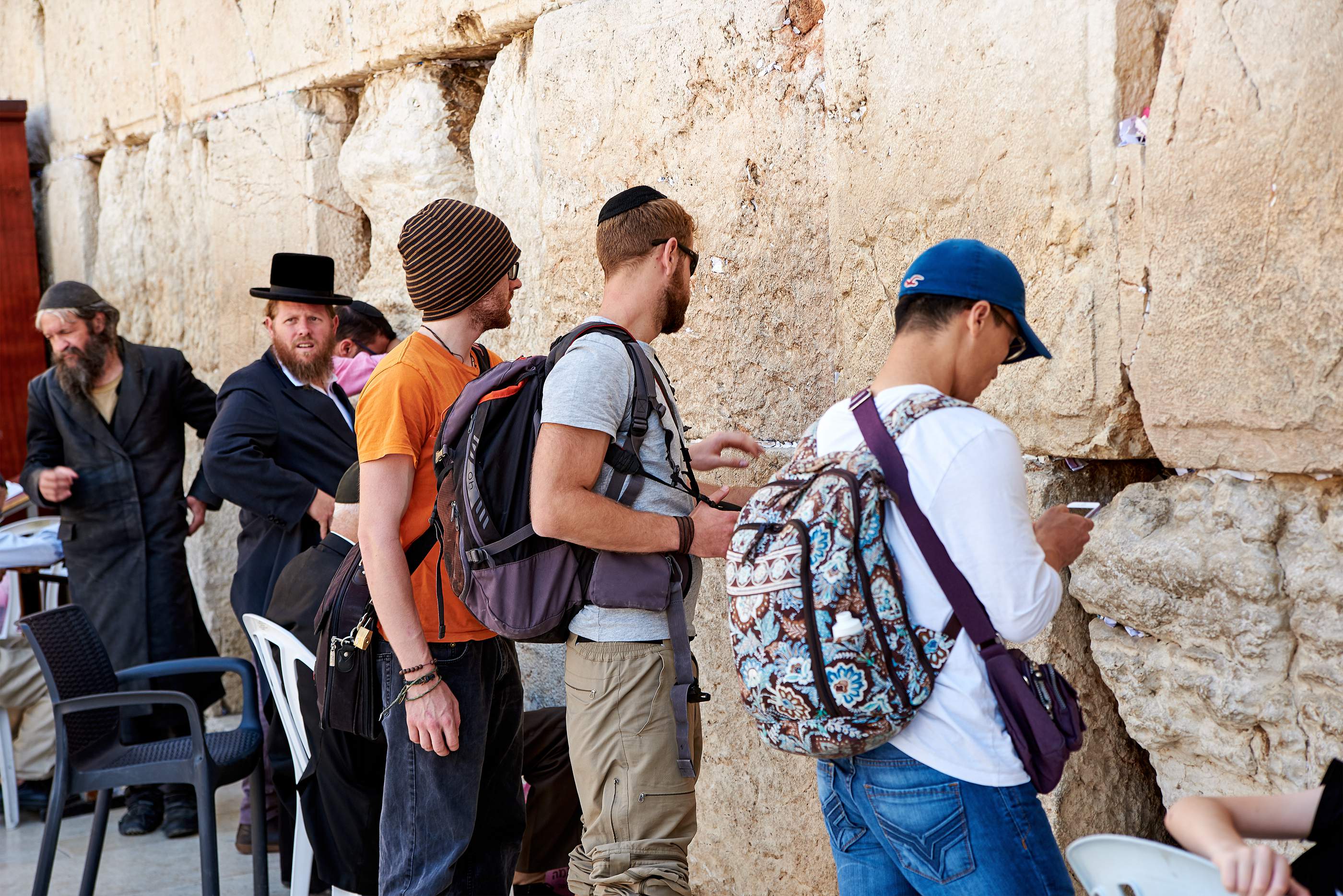
I don’t need for now to go and see the other side of the wall. Not of this wall that we hold sacred, both as a holy place and as a memorial, that is full of grass, bushes and roots sprouting freely, where birds nest and sing. I am talking about that “other wall,” the Continue Reading »
Posted on May 29, 2016 by Maya Zinkow
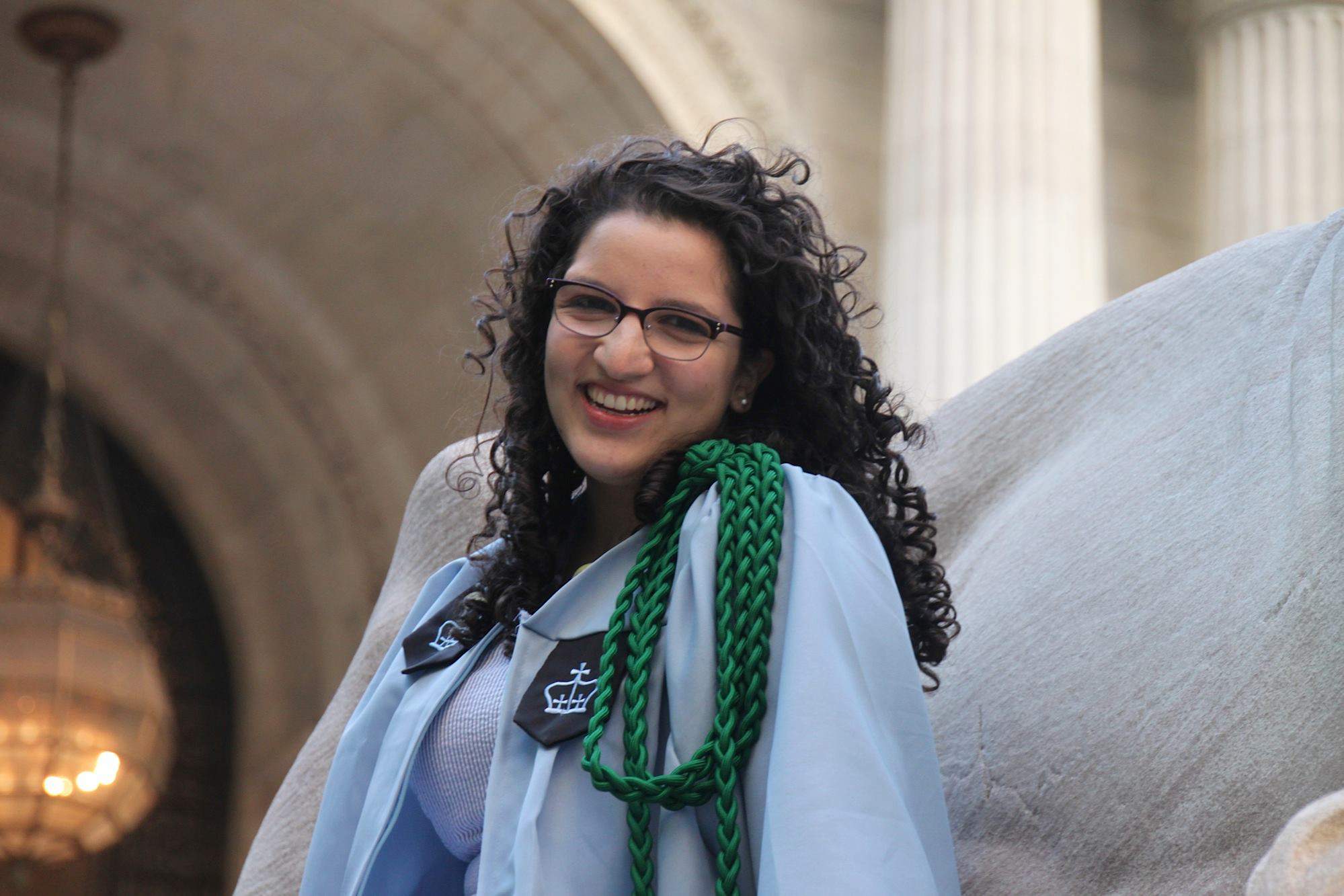
When I thought about what I could say to encapsulate two years spent in this special place of learning and growth, I thought about the Maya of two years ago, how she might be unsure of where, even, to begin. There was always the parsha to look to, but if she were to close her Continue Reading »
Posted on April 12, 2016 by Becca Shrier
In the Gregorian calendar, a leap year occurs every four years, adding one day to the month of February. In the Jewish calendar, a leap year occurs seven times in a 19-year cycle, creating an “extra” month – Adar Aleph. Occasionally, both leap years sync up – which they did this year, 2016. This poses Continue Reading »
Posted on January 27, 2016 by Ma'ayan Dyer
When I decided to go to Germany with Pardes and other young Jewish North Americans this month, I did so for several reasons. For one, Germany has always been a country to cross off on my long bucket list for travel, having studied the language. For another, in all of my 30 years, even after Continue Reading »
Posted on September 19, 2015 by Ma'ayan Dyer
Three weeks ago, I made aliyah. It had been a long time coming, something that I have been thinking about, dreaming of and longing for since I was first faced with saying goodbye to Israel after a year of living in Jerusalem in 2012. Back then, months before I even had to go back to Continue Reading »
Posted on March 23, 2015 by Geo Poor
My favorite service of the whole year is Hallel, a special service we add to certain holidays and to the seder. Hallel has a strange structure. It starts out by saying we are commanded to praise God. Why would be commanded to praise? Does praise really even count if it is not done by choice? Continue Reading »
Posted on November 8, 2014 by Sarah Marx
At Thursday’s Pardes open mic, I shared a version of the story (midrash? heresy?) below. Tonight, I wasn’t sure whether or not it would be appropriate to post it on the blog — after all, I can hear fireworks and gunshots in the distance, and I feel as though I should be writing about that Continue Reading »
Posted on September 22, 2014 by Samantha Vinokor
I struggle deeply with my feelings about Jerusalem. For years, I felt like I didn’t “get it.” I didn’t understand that feeling that I heard people talk about. That sense of holiness, of connection to God, which they only experience here. While others longed for Jerusalem, my mythical city was Tel Aviv. The fast-paced, modern Continue Reading »