

Musings from Students of the Pardes Institute of Jewish Studies in Jerusalem
Posted on August 16, 2016 by Yael Krieger
This post was originally published in Forward. In the Hebrew Bible, the word “kidneys” is mentioned over a dozen times to metaphorically describe one’s emotional and moral choices. With a literal translation, Psalms 138:13 reads: “It was you who created my kidneys; You fashioned me in my mother’s womb. I praise You, for I am Continue Reading »
Posted on August 7, 2016 by George Altshuler
My father is Jewish, but my mother isn’t. A literal reading of halakha, or Jewish law, would suggest that I’m not Jewish. But my mother and father made a decision before I was born to raise my sister and I as Jews. I had a bris and a bar mitzvah, attended Hebrew School and confirmation classes, Continue Reading »
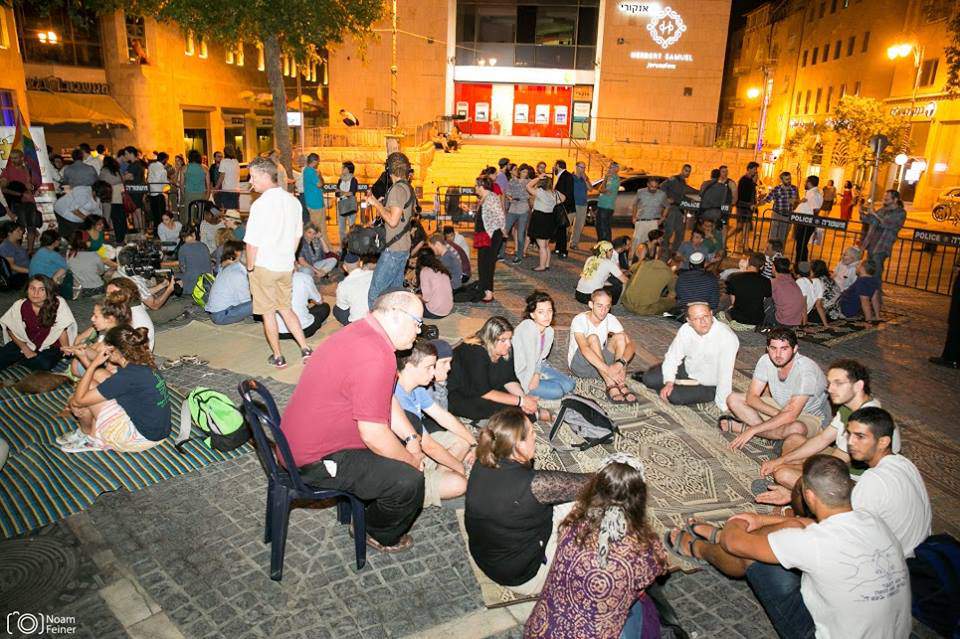
Posted on July 28, 2016 by Rachel Bikofsky
I was marching with friends, caught up in the music and dancing, and awed by the displays of courage and strength that surged around me. Suddenly, police officers started running by us, and we heard sirens as the crowd hurried to get out of the road so an ambulance could drive through. Within seconds, everyone Continue Reading »

Posted on July 20, 2016 by Dave Benger
I’ve found that every student at Pardes has a unique backstory, and layer upon layer of reasons for what brought them to this place at this time, each story more intriguing than the last. For me, this summer at Pardes could not have come at a better time. This past year brought some radical transformation Continue Reading »
Posted on February 10, 2016 by Ma'ayan Dyer
When I decided to volunteer at Hillel, a non-profit organization in Jerusalem that is dedicated to helping former ultra-orthodox Jews that have decided to leave the Haredi world and assimilate into secular society, I was not entirely sure what I was getting into. Inspired by a disturbing report in a 2014 article in The New Continue Reading »
Posted on January 27, 2016 by Ma'ayan Dyer
When I decided to go to Germany with Pardes and other young Jewish North Americans this month, I did so for several reasons. For one, Germany has always been a country to cross off on my long bucket list for travel, having studied the language. For another, in all of my 30 years, even after Continue Reading »
Posted on January 7, 2016 by Johanna Press
In my Pardes Social Justice class, we recently discussed the complicated status of non-Jews in our community. Texts throughout Jewish history – from Tanakh through modern responsa – present conflicting views regarding non-Jews; in one place, we are instructed to love the stranger and in another, the destruction of idolatrous non-Jews is enthusiastically called for. Continue Reading »
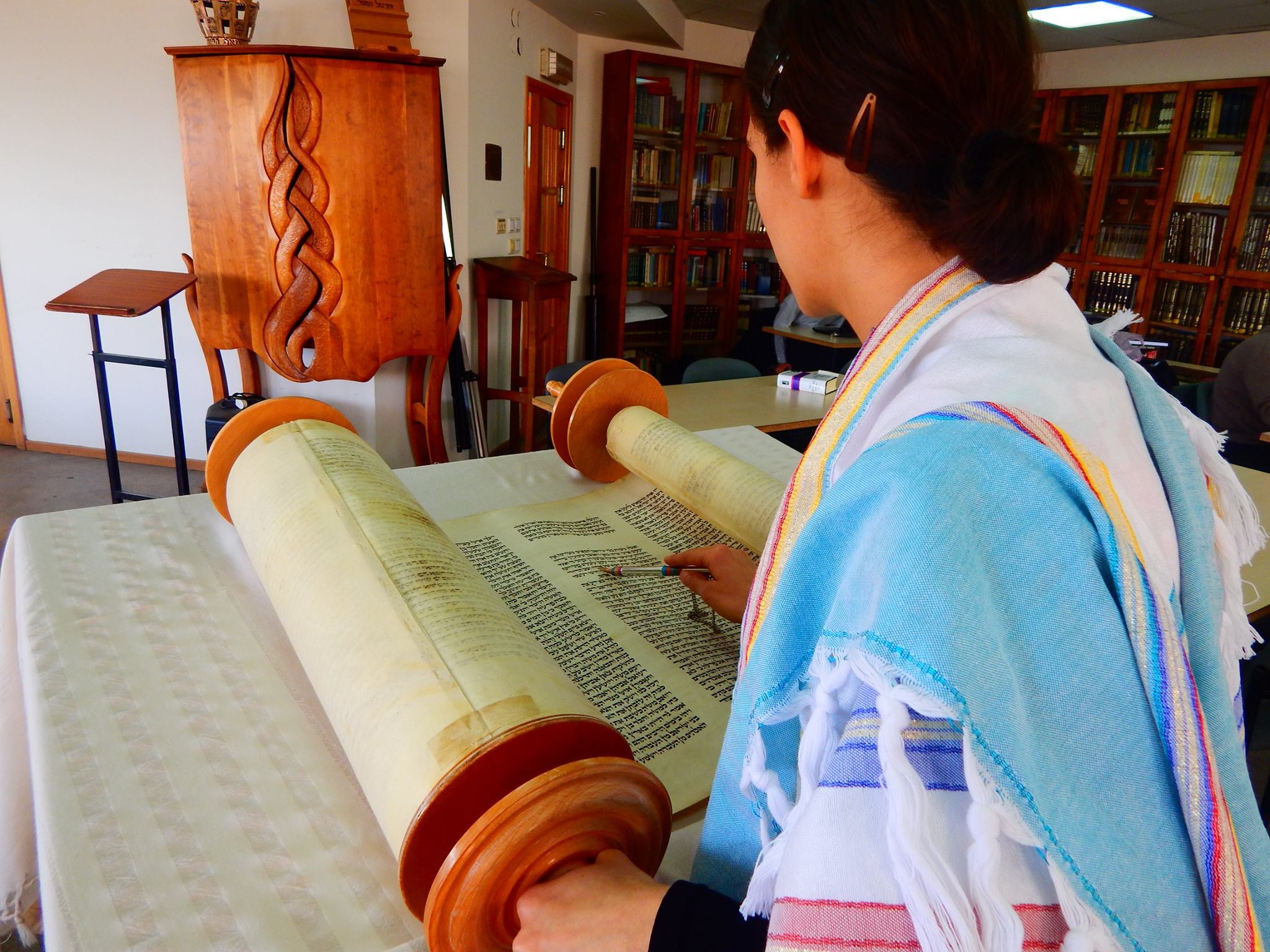
Posted on January 4, 2016 by Savannah Shepherd
Over the past year, I have been trying to write myself into the story of the Jews, looking for the proper label to define myself by. I’ve been searching for the Judaism that feels right and just, and allows me to connect with G-d and my community; I chose this life, after all, and I Continue Reading »
Posted on January 3, 2016 by Melinda Jones
I was invited recently to address an end of year gathering for a committee that has been formed in Melbourne Australia with a view to understanding the inclusion of people with disabilities and implementing projects which will help to bring about the full participation of Jews with disabilities. This was a small gathering of about Continue Reading »
Posted on December 4, 2015 by David Derin
This week Jews everywhere, around the entire world, will be reading the story of Yosef and the beginnings of the Jewish people’s journey in Egypt. Parshat Va-Yeshev begins with the story of the tension that exists between Joseph and his brothers. This tension escalates when Yaakov gives Yosef a כתנת פסים, typically understood to be Continue Reading »